Your fence is more than just a boundary marker. It provides privacy, security, and curb appeal. Whether you have a wood, steel, aluminum, chain link, or farm fence, maintaining it is crucial to keep your property safe and visually appealing. Over time, fences experience wear and tear from weather, pests, and general use. Knowing when to do fence repair versus a new fence installation can save you money, prevent accidents, and maintain your property’s value. In this guide, we will explore the signs of fence deterioration, factors to consider, and expert advice for making the right decision.
Why Fence Maintenance Matters
Fences endure constant exposure to the elements. From harsh sun and heavy rain to fluctuating temperatures, even the most durable fences can show signs of aging. Proper maintenance and timely repairs extend the life of your fence and ensure it continues to serve its purpose.
Some reasons maintenance is important include:
- Safety: Broken or unstable fences can pose hazards to children, pets, and visitors.
- Security: Gaps, leaning posts, or damaged panels can compromise your property’s security.
- Property Value: A well-maintained fence enhances curb appeal and can increase resale value.
- Cost Savings: Small repairs prevent costly replacements later.
Understanding the difference between repairable damage and irreparable issues is key to protecting your investment.
Common Signs Your Fence Needs Attention
Whether you have a residential backyard fence or a commercial perimeter fence, certain signs indicate it is time for repair or replacement. Here are the most common indicators:
1. Rotting or Decaying Wood
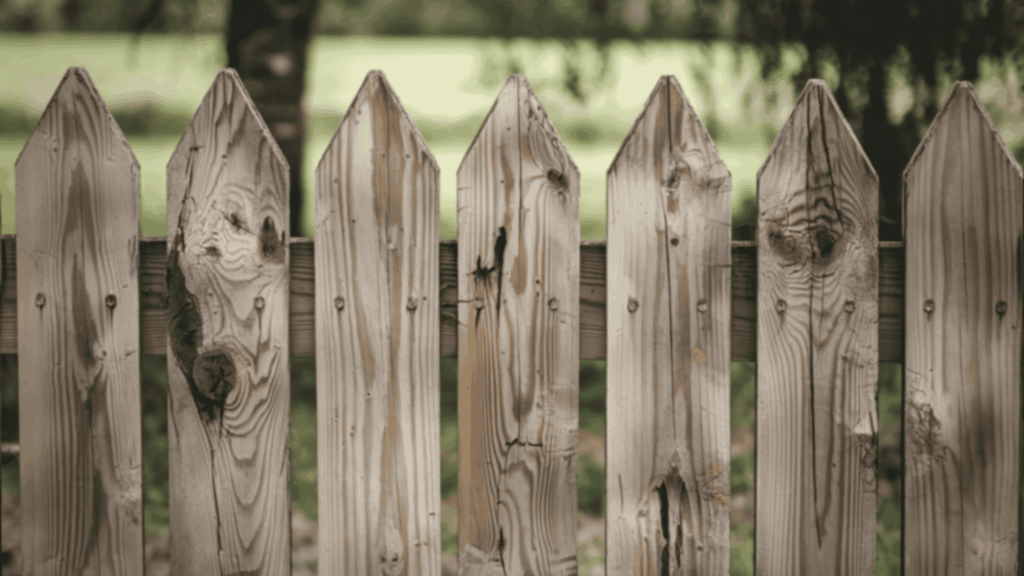
Wood fences are especially vulnerable to moisture and pests. Rotting boards, posts, or panels are a clear sign that your fence is failing. Look for:
- Soft spots in boards or posts
- Discoloration or fungal growth
- Splitting or cracking in the wood
If only a few sections are affected, targeted repairs may suffice. Widespread rot usually means a replacement is the safer option.
2. Leaning or Unstable Posts
Fence posts provide structural support. If posts are leaning, wobbly, or sinking, the integrity of the entire fence is compromised. Common causes include:
- Loose concrete footings
- Shifting soil
- Damage from impact
A single leaning post can often be reset or reinforced. Multiple unstable posts across the fence line typically indicate it is time for a full replacement.
3. Rust or Corrosion on Metal Fences
Steel, aluminum, and chain link fences can suffer from rust or corrosion over time, especially in humid climates. Check for:
- Flaking or peeling paint
- Rusted joints or panels
- Weak spots in chain link mesh
Minor rust can be removed and treated, but extensive corrosion may require replacement to maintain strength and safety.
4. Broken or Missing Panels
Missing slats, rails, or panels reduce privacy and security. They also make the fence look unattractive. Inspect your fence for:
- Detached or fallen panels
- Cracked or warped boards
- Gaps in chain link or farm fencing
Repairing a few damaged panels is cost-effective. If the damage is widespread, replacement may be more practical.
5. Excessive Warping or Bowing
Warping is common in wood fences due to moisture and heat, while aluminum or steel may bend from impact or improper installation. Signs to watch for:
- Boards bowing outward or inward
- Bent rails or metal posts
- Fences sagging in sections
Some warping can be corrected by reinforcing the fence. Excessive deformation often requires a full replacement.
6. Loose or Damaged Gates
Gates are functional points of entry and can deteriorate faster than the rest of the fence due to frequent use. Check for:
- Sagging or uneven gates
- Broken hinges or latches
- Difficulty opening or closing
Minor issues can often be repaired. Persistent problems may necessitate a new gate or replacement of the surrounding fence section.
7. Pest or Insect Damage
Wood fences are susceptible to termites, carpenter ants, and other pests. Indicators include:
- Hollow-sounding wood
- Small holes or tunnels
- Visible insect activity
Early pest detection can save sections of your fence with treatment. Extensive infestation often means replacement is the safest solution.
8. Weather Damage
Severe storms, wind, and heavy rain can weaken fences over time. Signs of weather damage include:
- Broken posts or panels from falling trees or debris
- Erosion around post foundations
- Water-damaged wood or rusted metal
After a major storm, inspect your fence for damage. Small repairs can restore functionality, but severe damage may justify a complete replacement.
9. Outdated or Unsightly Appearance
Even if structurally sound, fences can become visually outdated. A fence that no longer complements your home’s style or neighborhood aesthetics may reduce curb appeal. Consider:
- Fading paint or stain
- Style or design that clashes with your property
- Boards or panels that are mismatched or replaced over time
Cosmetic updates are less urgent than structural repairs but can enhance your property’s overall value.
10. Safety Concerns
Your fence should protect your family, pets, and property. Safety-related issues include:
- Sharp edges or exposed nails
- Gaps that allow pets or children to escape
- Leaning sections that could fall
If safety is compromised, immediate repairs or replacement are essential.
Repair vs. Replace: Factors to Consider
Once you have identified issues with your fence, it is time to weigh repair versus replacement. Consider these factors:
1. Extent of Damage
- Minor damage such as small rot spots, a few missing panels, or a sagging gate can usually be repaired.
- Major damage such as widespread rot, leaning posts, or multiple damaged panels typically requires replacement.
2. Age of the Fence
Older fences may need replacement even if only a few sections are damaged. Wood fences generally last 15 to 20 years. Aluminum and steel fences can last 20 to 30 years. Chain link and farm fences last up to 25 years depending on maintenance.
3. Material Type
- Wood is susceptible to rot, warping, and insect damage.
- Steel is durable but prone to rust if unprotected.
- Aluminum is low-maintenance and corrosion-resistant.
- Chain link is long-lasting but less private and can sag over time.
- Farm fencing is built for durability, but posts and wire may fail after years of exposure.
Material type affects both repair feasibility and replacement cost.
4. Cost Considerations
- Repairs are typically cheaper and quicker than full replacement.
- Replacement is higher upfront but often more cost-effective long-term if the fence is aging or extensively damaged.
A contractor can provide estimates for both options to help you make an informed decision.
5. Future Maintenance
Even if repairs are possible, consider whether the fence will continue to require frequent upkeep. Replacement with a more durable material can reduce future maintenance costs and effort.
When Repairs Are Enough
Certain situations call for repairs rather than full replacement. These include:
- A few loose boards or panels
- Minor rust spots on metal fences
- A single leaning post
- Small gate adjustments
- Cosmetic touch-ups such as staining or painting
Repairing these issues restores function, safety, and aesthetics without the cost of full replacement.
When It’s Time to Replace Your Fence
Replacement is typically necessary if:
- Multiple posts or panels are failing
- Rot or corrosion is widespread
- The fence is structurally unsafe
- Pest infestation has caused significant damage
- Maintenance is becoming too frequent or costly
- You want to update the style or increase fence height for security
Replacing an old fence with high-quality wood, steel, aluminum, chain link, or farm fencing ensures long-term performance and enhances property value.
Tips for Choosing a Professional Fence Contractor
Whether repairing or replacing, a professional contractor can save time and ensure quality. Here is how to select the right one:
- Check licensing and insurance to protect yourself from liability.
- Ask for references and reviews. Look for past work photos, customer testimonials, and online reviews.
- Get detailed estimates for materials, labor, and permit handling.
- Confirm warranties for both materials and installation.
- Local experience matters because contractors familiar with your area understand soil conditions, climate, and local regulations.
Fence Maintenance Tips to Extend Lifespan
Even after repairs or replacement, routine maintenance prolongs the life of your fence:
Wood Fences
- Stain or seal every 2 to 3 years
- Inspect for rot or insect damage
- Keep vegetation trimmed to prevent moisture buildup
Metal Fences (Steel or Aluminum)
- Check for rust or corrosion
- Touch up paint or coatings as needed
- Clean debris from posts and rails
Chain Link Fences
- Inspect for loose or damaged links
- Maintain proper tension
- Remove debris that could cause sagging
Farm Fences
- Inspect posts and wire for wear
- Maintain proper tension on fencing
- Check gates and latches regularly
Consistent maintenance ensures your fence remains functional, safe, and visually appealing.
Making the Right Choice for Your Fence
Knowing when to repair or replace your fence comes down to understanding the signs of damage, evaluating the fence’s age and material, and considering long-term costs and maintenance. Minor issues such as a few loose boards or a sagging gate can often be repaired, while widespread rot, rust, or structural instability usually calls for replacement.
Investing in the right materials, including wood, steel, aluminum, chain link, or farm fencing, and hiring a professional fence contractor ensures your fence performs well, looks great, and enhances your property’s value for years to come.
Regular inspections and maintenance are key to protecting your investment and preventing small problems from turning into major expenses. By acting promptly when issues arise, you can enjoy the privacy, security, and beauty that a well-maintained fence provides.
If your fence is showing signs of wear or you are unsure whether repair or replacement is the best option, contact Select Fence Group, a trusted local fence contractor today for a professional assessment and free estimate.